0
Portable Solar Panel Setup with MPPT Smarts: Off-Grid Power Sorted
Category: diy-electrical
The midday sun bakes the red earth while your camp fridge hums happily on pure, silent solar juice. No idling engine, no generator drone—just a portable solar panel setup feeding an eager battery through a clever MPPT brain. In this guide you’ll bolt the pieces together, pick the right cables, and learn why a few millimetres of copper can save you amps (and headaches) hundreds of kilometres from the nearest socket.
What You’ll Discover
- How to size panels and batteries for real-world camp loads
- Wire-gauge maths to crush voltage drop on longer runs
- Panel-placement tricks that wring every watt from winter sun
Match Solar Watts to Your Daily Power Budget
Nothing kills a trip faster than warm beer. Start by listing fridge draw, lights, and gadget charging—then add a safety margin. A 120 W portable solar panel paired with a 100 Ah AGM or LiFePO₄ battery covers most weekend warriors; heavy users might step up to 200 W. Aim for 1.3× your worst-day consumption so cloudy spells don’t leave you flat.
Place Panels for Peak Harvest
Angle is everything. Tilt the frame north (in Aus) at roughly latitude minus 10° for shoulder-season efficiency. In summer, lay panels flatter to catch long noon hours without constant tweaking. A light aluminium kick-stand or camp table keeps cells off dusty ground and away from errant tent pegs.
Trail Tip: Wipe panels with a damp microfibre cloth each morning—fine dust can shave 5 %-plus off output.
Run Cables Right and Beat Voltage Drop
Solar success lives in the copper. Use a voltage-drop calc: keep loss under 3 % by upsizing to 6 mm² twin-sheath on runs over 3 m. Crimp ring lugs, cover with adhesive heat-shrink, and route under chassis rails or along awning poles to dodge sharp edges. A colour-coded Anderson plug harness makes plug-in fool-proof and weather-tight.
Let the MPPT Controller Do the Heavy Lifting
A quality MPPT controller can claw 10-30 % more energy than cheaper PWM units—gold when winter clouds roll in. Mount it near the battery (not the panel) to shorten high-amp cabling. Set absorption to 14.4 V (AGM) or the spec sheet for lithium, float to 13.6 V, then test under load. Stable volts mean happy cells.
Conclusion & Next Steps
With panel positioning, beefy cabling, and MPPT smarts dialled in, your off-grid system will cruise through long weekends and dusty tracks alike. Hungry for deeper 12 V know-how? Explore our full hub of DIY Electrical Guides and level up every circuit in your rig.
Product Recommendations:
Kids' Reusable Sticker Book Set

Hispeed Camping Gas Stove
Portable USB Foldable Solar Panel 25W
Smart 12V 6A Car Battery Charger with Pulse Repair
Rechargeable Camping Shower Pump 6000mAh
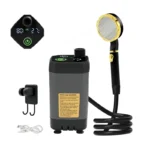
Portable Electric Shower Pump for Outdoor Use
12V Automotive LED Extension Wire
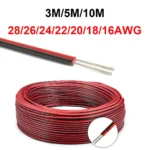
Fast USB-C Charging Cable for Multiple Devices