
0
Dual-Battery DCDC Charger Wiring Made Easy
Category: diy-electrical
The rising sun paints your canopy gold while the camp fridge hums away, ice-cold drinks at the ready. That reliable chill comes from a well-wired dual-battery system that won’t leave you stranded with a flat starter. In this guide you’ll master the wiring process—clear diagrams, safety checks, and pro tips—so your dual-battery DCDC charger keeps fridges, lights, and gadgets running day after dusty day.
What You’ll Discover
- Layout planning that protects both batteries and streamlines future upgrades
- Fuse and cable sizing formulas that prevent heat-related failures
- Isolation techniques that safeguard your rig on long road trips
Map Out Your Power Layout First
Before crimping a single lug, sketch where each component will sit: starter battery, auxiliary, charger, and earthing points. Placing the dual-battery DCDC charger close to the auxiliary minimises voltage drop and keeps cable runs short. Mark grommet locations through the firewall and label every loom for fast troubleshooting later.
Fuse & Cable Sizing That Won’t Let You Down
High current plus thin wire equals trouble. Calculate expected amp draw, then step up to the next size cable to keep losses under 3 %. Mount a sealed fuse block within 150 mm of the positive post on each battery—this single move prevents catastrophic shorts if a cable ever rubs raw on corrugated tracks.
Trail Tip: Use coloured heat-shrink at both ends of every cable—red for supply, black for earth. Future you will thank past you when fault-finding at dusk.
Install the Isolator and Test Under Load
Bolt the battery isolator between starter and auxiliary positives; follow the charger’s wiring diagram so the isolator engages only when ignition voltage rises. Torque lugs to spec, then load-test by running the fridge and lights together. A stable 13.6 V at the auxiliary under load means you’ve nailed it.
Conclusion & Next Steps
With clever layout, correct fusing, and solid isolation, your camp power becomes set-and-forget. Keen to dive deeper? Check out our full library of DIY Electrical guides for more 12 V mastery.
Product Recommendations:
500 g 100% Cotton Knitting Yarn

Powerful Portable Binoculars for Outdoor Hunting

Kids' Reusable Sticker Book Set

Rechargeable Camping Shower Pump 6000mAh
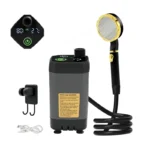
Military Tactical Paracord Rope

Waterproof Digital Voltmeter Car Boat Switch Panel
Mini Bluetooth Shower Speaker with FM Radio
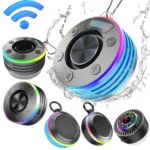
USB Rechargeable LED Camping Light
